
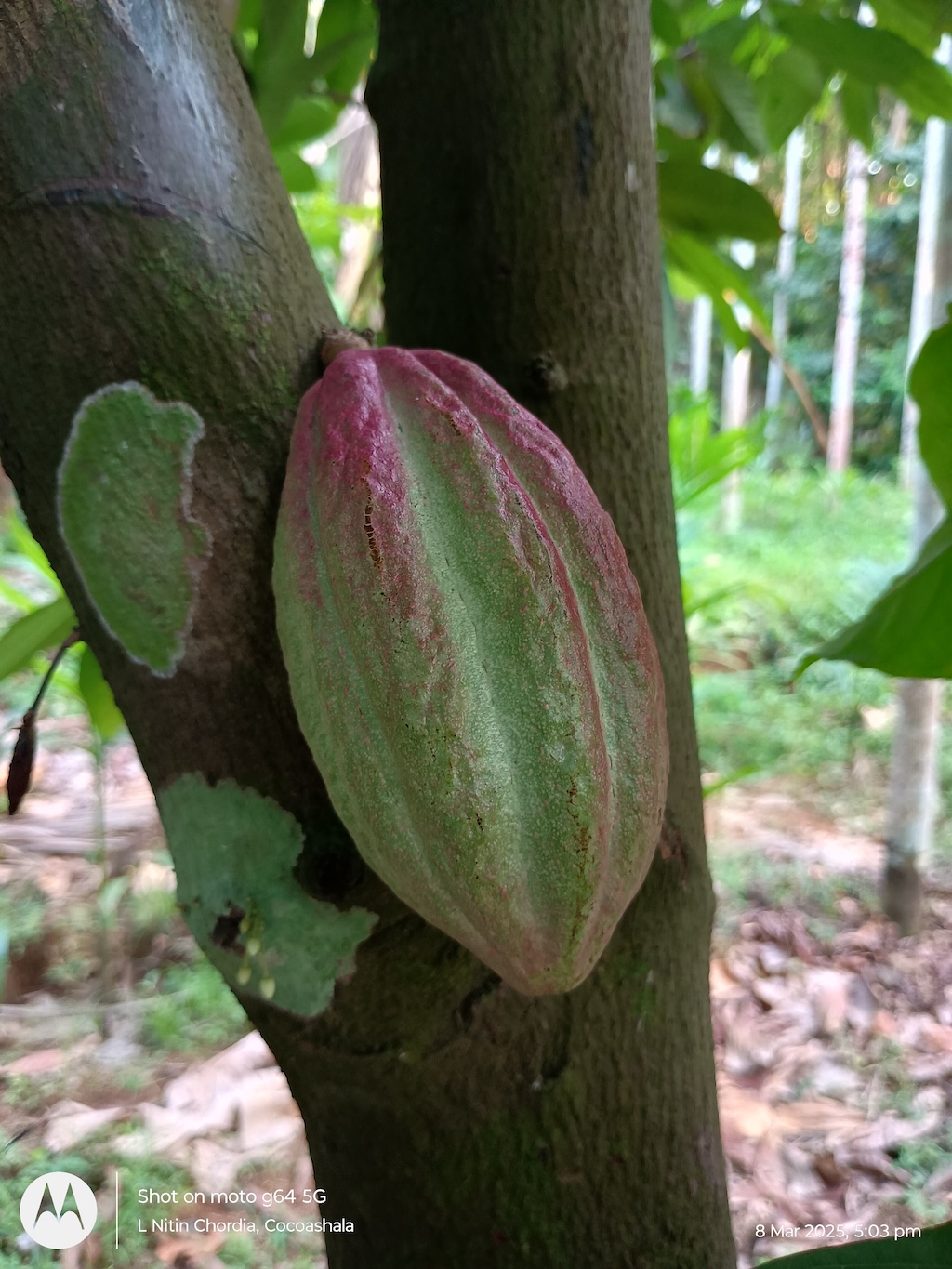
“When you have good grapes to work with, you can decide to make grape juice with it or fine wine!”.
– L Nitin Chordia, India’s 1st certified chocolate taster
Setting the context, Indian craft chocolates are growing at the expense of traditional Indian sweets (mithai). Large FMCG chocolate brands have been wooing customers to move away from traditional Indian sweets for years with some absolutely brilliant and award winning communications centered around emotions. The shift from sale of “open” Indian sweets in traditional mom and pop shops to pre-packaged branded sweets has lead to small sweet shops facing closures across the country. Chocolate manufacturers and startup Indian Bean to Bar chocolate makers have benefitted from this sales decline and growing at a lucrative 25%+ annually. To add to the equation, dark chocolates, which use more cocoa in their recipes have started to become popular and relevant to a larger set of consumers. Mintel research indicates that 38 per cent Indians associate dark chocolate as a premium product while 39 per cent consider it ideal for gifting. The indian craft chocolate brands primarily aim to target buyers of “imported chocolates” rather than mass produced chocolates. This has further made Indian cocoa more relevant to the industry.
Given the market scenario, Indian cocoa and its contribution to bean to bar chocolates worldwide is at a very interesting juncture and has been a topic of interest for many and has received its fair share of criticism also in the past. The biggest reasons could have been attributed to the lack of exposure of the capabilities of Indian cocoa to Indian journalists and media in the past. Indian bean to bar chocolates deliver several benefits ranging from contribution to farmer welfare, the economic benefits to the growing country, great consumer flavour experiences and eventually to consumers good health as well. Read about them here. However, one should point out that the face of Indian cocoa and torch bearers for the past decade has been 2 organised efforts which have helped hundreds of bean to bar chocolate makers create award winning chocolates in India and around the world. Certainly worth mentioning are the efforts of the pioneers Regal Plantations and GoGround Beans & Spices in improving cacao post harvesting protocols and firmly placing India on the global fine flavour cacao map since 2016. Regal Plantations has literally owned the “Annamalai” origin for many years now and Go Ground has been synonymous to the “Idukki” origin across the world. Their hard work since 2016 has made Indian cocoa more popular globally than in India itself and with the Indian bean to bar industry now on the verge of explosion and expansion, their efforts will be commended more than ever before.
We, at Cocoashala, have been consultants in the implementation of 4 of the largest and most active fermentation units in India in Andhra Pradesh (now the largest producer of cocoa) which have an total annual installed capacity of over 200 tonnes of Low defect industrial cocoa. We have this year (2024) commenced the most technologically advanced Indian cocoa post-harvest project in India using our 10+ years of experience in the subject and with a scientific approach towards problem solving. Hence, I thought this would be the right time to pen down this thought piece.
Background:
Indian Cocoa has a unique and underappreciated advantage that sets it apart on the global stage — its cyclical harvest pattern. Commercial cultivation of Indian cocoa began in the 1970s, starting with Kerala, and has since expanded across several southern states. What makes Indian cocoa truly special is its year-round availability. The harvest season begins in Andhra Pradesh (January to March), continues in Karnataka (April to June), moves to Kerala (July to September), and concludes in Tamil Nadu (November to January). This continuous harvesting cycle ensures that bean to bar chocolate makers can access fresh Indian cocoa throughout the year — a rarity in the cocoa-producing world. Despite its strategic advantage, this remarkable trait of Indian cocoa remains relatively unknown globally, making it a hidden gem in the craft chocolate industry.

India is further a very interesting country from a cacao demand & supply perspective. It is among the very few countries that grows cacao and has a large chocolate consuming population as well. This is very uplifting/encouraging. India is perhaps also the only country where you could consume craft (read expensive) chocolates made from the same origin/region (let us take Idukki, Kerala as a good example) and notice dramatically conflicting and different flavor profiles and experience. On one hand, you could enjoy delicate and interesting raisin notes with a clean finish in chocolates crafted by one chocolate maker and with another chocolate makers creation more commonly you would find defective putrid, hammy, cheesy and undesirable notes! This inconsistency of flavour delivery between chocolate makers (mainly due to differences in suppliers) also changes the fundamental opinions of the nascent Indian consumer who wishes to support Indian cocoa and chocolate, but, this variation/differential ends up doing a disservice to the origin.
Cocoa and chocolate have several hundred flavor compounds which make it more complex than grape and wine. Just like how it is believed that doctors know very less about the human body, it is true about cacao as well! It would be fair to say that we are in a phase of initial discovery and research globally. Being involved in cacao research and cacao post harvest protocol implementation over last 10 years in India, I consider myself really privledged. We have just scratched the surface and there is a lot more to learn for everyone involved. To say, Indian cocoa beans have already arrived would be a grossly wrong statement to make. It hasn’t stood the test of time and we haven’t produced enough award winning Indian chocolates consistently to claim any accolades yet. We won a gold and a few silvers and bronze at the Asia Pacific awards recently but we would like to keep our bar higher. We must note that chocolate is a combination of Cacao, Sugar, cocoa butter & milk and the flavours added to it have impressed the judges and that aspect of balance is being awarded. The award does not go to the cocoa from India, not just yet! When flavours are added, cacao on many occasions become incidental, which explains why India has not won many awards for their high dark % chocolates yet. I do not wish or intend to take anything away from the awarded chocolate maker(s) but we need to understand what is being awarded. A bean to bar chocolate maker’s intent to pay a tribute to the Indian cacao should be to select the right cacao beans and then either retain or enhance the good flavors that exist in the bean and express them in a non-flavoured dark chocolate. How can this be achieved? Sounds interesting? Read on for more.
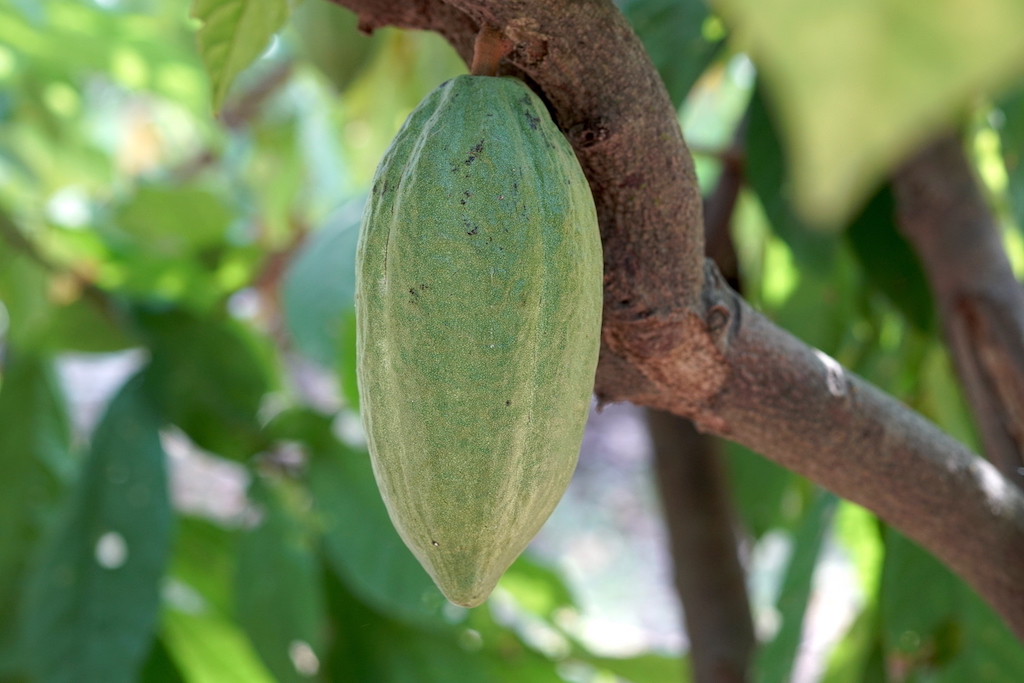
The genetic diversity of Indian cocoa is shaped by decades of selective breeding to suit India’s unique agricultural landscape. Unlike traditional cocoa-producing countries that grow Criollo or Trinitario varieties known for fine flavour, Indian cocoa is primarily composed of high-yielding Forastero, Amelanado and hybrid clones developed by Indian cocoa research institutions/stations. These varieties are specifically bred to thrive in Indian conditions, often grown under intercropping systems with coconut and arecanut. As a result, Indian cocoa is well-adapted to local climates but traditionally exhibits a more basic flavour profile. However, with the rising demand for premium craft chocolate, there is a renewed focus on improving and identifying unique Indian cocoa genetics to enhance flavour complexity. This makes Indian cocoa not just an agricultural product, but a promising frontier for innovation in the global chocolate industry.
Industrially produced commercial chocolates are made using cacao powder or an intermediate product (cocoa mass) as the base ingredient. In the case of high quality bean to bar chocolates, cacao beans are used as the base raw material. Using powder or mass as a startpoint helps to keep costs low since the ingredients are treated to ensure consistency. Needless to say, the acceptability of the “treatment” is always going to be debated. This is where the plot changes for bean to bar chocolate makers. They have a choice between beans that have been handled (harvested, fermented & dried) well at the farm by professionals Vs beans that have been handled with an intention to be sold to mass market buyers who most often do not intend to make the final chocolate product with them. This is the world we need to navigate. Read on.
Let us differentiate between Bulk, Low Defect Industrial and fine flavor (specialty) cocoa. Fermented and dried cocoa beans that possess the potential to unlock interesting flavors after roasting, besides the typical cocoa flavor, are often identified as “fine or flavor” cocoa beans. Low Defect Industrial cocoa is cocoa processed in bulk scale with an aim to get a consistent output which is useful as an input the industry. The difference between bulk, Low defect Industrial and fine/flavor cocoa is in the flavor that the beans can lend to the chocolate. Bulk and low defect industrial cocoa do not boast of any delicate flavors and are used to mass produce chocolates. Often, beans with flavor defects pass as bulk cacao. Below is the Cocoashala Indian Cocoa Evolution Model (CICEM):

Most of India’s usage is of low defect industrial cocoa and is imported from countries like Ecuador, Congo, Dominican Republic, Peru & Madagascar. This is after Ghana announced that it would process 50% of its cocoa beans into value added products. India processes most of their cocoa as bulk cocoa due to lack of technical knowhow on the post harvest protocols. Globally, only a few origins (countries) are considered as fine flavored cocoa types. This is due to the limited availability of genetic and/or geographic origins of cocoa beans that contain intrinsic fine flavor attributes. While cacao gets identified by the genetics, the post-harvest processes employed enhance the flavor development. Fine flavors in cacao include fruit (fresh, citrus etc), floral, herbal, and wood notes, nut, caramel and cacao notes (Yes! cacao is also a note!).
It is established that fermentation and the process/protocols adopted influences the formation of flavor compounds in cacao. The science and understanding of cacao post harvesting (fermentation and drying) is at its nascency in India and most evolved bean to bar makers even globally are trying to learn as they go along. Improving post-harvest processes, helps farmers get a better value for their produce. India grows only the bulk cacao varieties and Indian cacao farmers have not invested in improving their post-harvest practices. This has traditionally been due to the lack of demand for better processed beans.
Scientifically, the key to producing fine flavor chocolate from fine flavor cacao is consistent availability of the same flavor compounds in cacao. Hence, the focus, as far as cacao is concerned, is on repeatability and consistency in the cacao post-harvest and chocolate production process. In the current nascent phase, Indian craft chocolate makers work with several variables in cacao that are not even understood, monitored, measured or controlled.
As we understand the origin of flavors better, we can note that the flavor of cocoa beans that grow within 20° of latitude on either side of the equator can be significantly different (primarily due to the genotypes cultivated along with some other factors) and can thus express the flavor of its country of origin and the practices adopted specific to that geographical area.
In many cacao growing countries where the required genetic varieties are not available, there is now a shift towards enhancing flavor profile by employing accurate post-harvest practices and additional resources to try and get the best out of the bulk variety of cacao. Much like coffee, specialty/craft chocolate producers are now demanding better cacao with variations in notes to make better and more expressive chocolate.
What influences the flavour of cocoa?
At the very high level, cacao and hence chocolate flavor can vary between and within origins and is influenced by several factors. Captured below are some variables:
Cocoa Bean & Pod-Related Variables
Genetic Variety / Clone / Cocoa Genotype
Ripeness / Maturity of Pods
Pulp Content (Brix Value) / Sugar Content (Glucose, Fructose, Sucrose)
Initial Bean Microbial Load
Organic Acid Content in Pulp
Bean pH / Pulp pH
Microbial & Biological Variables
Yeast Activity
Lactic Acid Bacteria (LAB)
Acetic Acid Bacteria (AAB)
Fungal or Contaminant Organisms
Inoculation Practices
Microbial Community Dynamics
Environmental & Chemical Variables
Ambient Temperature & Humidity
Fermentation Temperature Profile (Internal Bean Temperature)
Rainfall or Moisture Intrusion
Oxygen Availability
Ethanol Formation & Volatilization
Volatile Compound Formation (Acids, Aldehydes, Esters, etc.)
pH Evolution During Fermentation
Fermentation Process Variables
Fermentation Method / Container Type (Heap, Box, Tray, etc.)
Fermentation Duration
Fermentation Mass / Heap Size
Mixing / Turning Frequency & Technique
Insulation & Covering Material
Drainage of Liquids
Pre-Fermentation Treatments (e.g., pod storage)
Post-Fermentation & Sanitation Variables
Timing of Drying Post-Fermentation
Sanitation & Equipment Hygiene
Cleaning & Sorting of Beans
Presence of Foreign Materials
This makes the post harvesting of cacao very interesting and immersive as a process. The variabilities are huge. Any change in any of the above listed variables impact flavour and this must be carefully observed and controlled if possible. Sorry to disappoint, but it is time to break the suspense! The myth that the surrounding plants have an impact on the flavour of cacao is unscientific! The myth that the soil, topography, and climate (terroir) have an impact on the flavor of cacao is unscientific and not proven yet! It makes for no story!
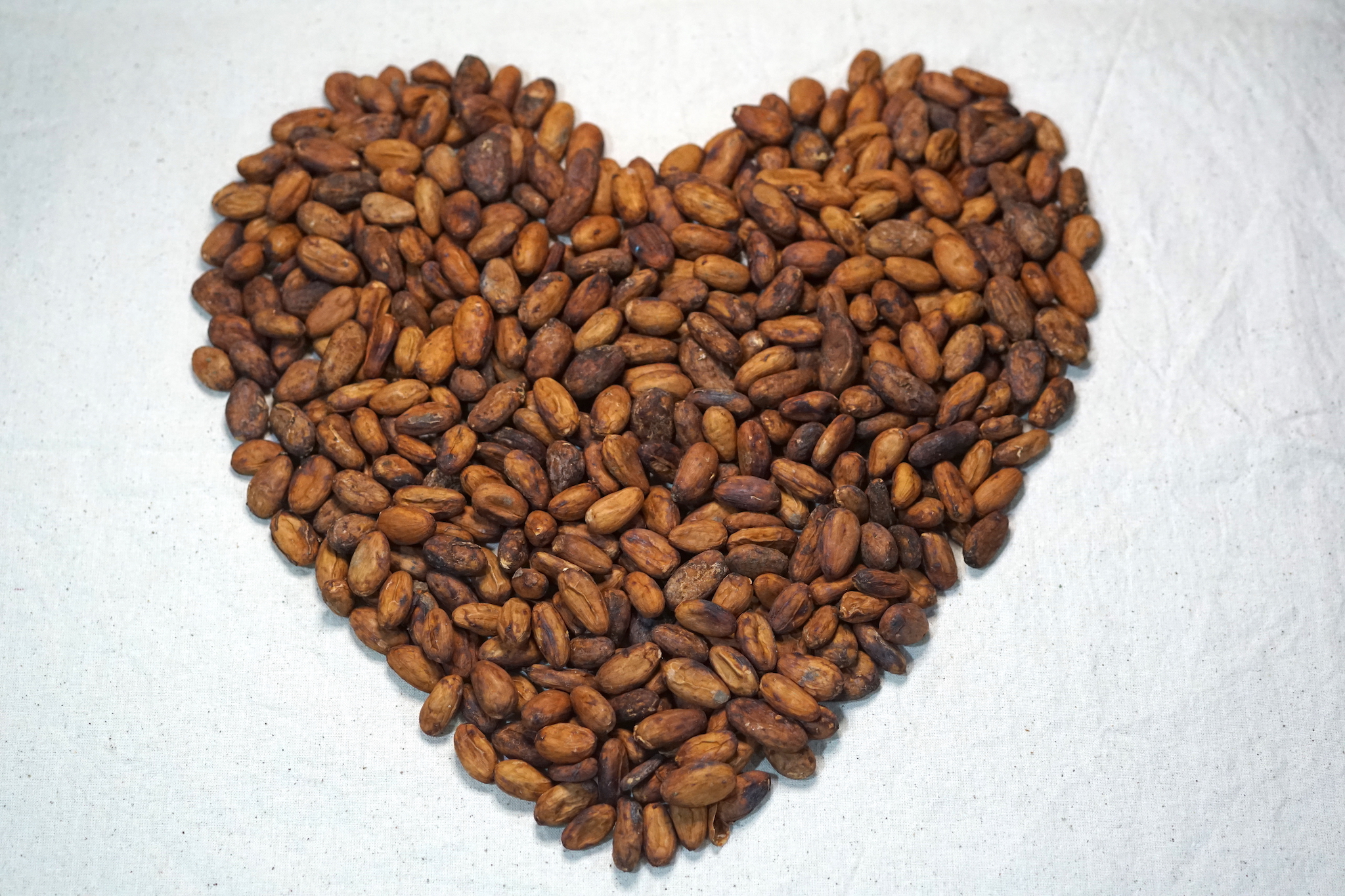
It might also be pointless talking about cacao varieties in India, because cacao farmers have restricted (and most often unknown) supplies of varietals of planting material. Clearly, we are too early in the evolution to be able to understand the impact of terroir on flavour of cocoa being offered from various states in India. Most cacao farmers in India have small land holdings and do not have the minimum quantity of beans required to process cacao consistently. This means, what you get today would be different in the immediate next batch because the variables differ. To add to that, a typical Indian cacao farm has 3-4 varietals growing in harmony. The way nature has it, farmers cannot ensure that all the varietals are harvested at the same time and processed together because they have a small window during the season. Each variety has a different ripening period, variable sugar levels and flavor capability and hence should ideally be fermented in isolation.
With no defined SOP’s for cacao farmers to follow to produce fine flavour beans and no qualified agency to support this body of knowledge, a google search (or research) seldom provides an understanding of the actual process that should be adopted for maximizing flavor potential and delivering them consistently. To add to the problem, many farmers do not understand the final product (which is chocolate!) How does one expect farmers to improve the acceptability of cacao when they do not understand the application of it? This is extremely difficult and hard to do! Further, most fermentation results in small and inconsistent batches of cacao and does not guarantee any repeatability and consistency of flavours and hence hampers the ability of the farmer to charge higher prices. This is because the variables that impact flavors are either not known or monitored. This in turn impacts the ability of bean to bar chocolate makers to create consistently good products. Almost every cacao batch that is fermented would have differential variables to deal with and would have the potential to help chocolate producers exhibit different flavour notes in each chocolate bar! In a typical milk chocolate, the role of cacao and the manifestations of its defects are limited. The real test of a batch of cacao is when the chocolate maker decides to make a 70+% dark chocolate bar.
Given the current state of Indian cacao and the stage of its evolution, to say that dark chocolate made using cacao from India or even Tamilnadu or Kerala has specific flavor profiles, or label them for flavors on packaging, would be blatantly, scientifically and embarrassingly wrong.
– L Nitin Chordia, India’s 1st Certified Chocolate taster
The genetic varieties of cocoa available in India are largely a result of selective breeding efforts aimed at improving yield, disease resistance, and adaptability to local climatic conditions. Unlike traditional cocoa-growing regions that cultivate heritage or fine-flavour varieties like Criollo or Trinitario, Indian cocoa is predominantly of the Forastero and hybrid clones developed by research institutions such as CPCRI and regional agricultural universities. These Indian hybrids have been tailored to thrive under intercropping systems — particularly with coconut and arecanut — and to withstand India’s diverse agro-climatic zones. While this has resulted in robust and productive trees, it has also meant that Indian cocoa tends to be more basic in flavour profile, lacking the complex notes typically associated with fine-flavour cocoa. However, with increasing interest in quality and flavour, there is a growing movement to identify, preserve, and improve Indian cocoa genetics to unlock its full potential for premium craft chocolate production.
Even if you look at the 2 Indian Cocoa varietals (VTL CH1 and VTL CH2) launched by the Honourable Prime Minister recently, you would notice how the focus is on the physical aspects like weight, dry bean yield kg/tree/year, disease resistence and high yields and there is no mention of flavour profiles. It reads as follows:
VTL CH1 is an early bearing, high yielding cocoa hybrid with medium canopy, both under arecanut and coconut shades, suitable for high density planting with dry bean yield of 1.5 – 2.5 kg/tree/year in 15-18 m 2 canopy. Beans are of international standard with 1-1.10 g weight, have processing value for chocolate industry.
VTL CH2 is an early-bearing, high yielding cocoa hybrid with black pod rot disease resistance, suitable under arecanut and coconut gardens with dry bean yield of 1.5-2.5 kg/tree/year in 14-20m two canopy. Beans are of international standard with 1-1.2g weight, have processing value for chocolate industry with 13% shelling, 87% nib recovery, 50% fat, 1% free fatty acids, and are rich in iron and zinc.
The most we can perhaps claim at this stage of our understanding and evolution is that a specific batch of chocolates offers a set of specific notes and they may not even exist in the batch of chocolates produced from the next lot of cacao! This inconsistency also makes bean to bar chocolate interesting for both the maker and the consumer.
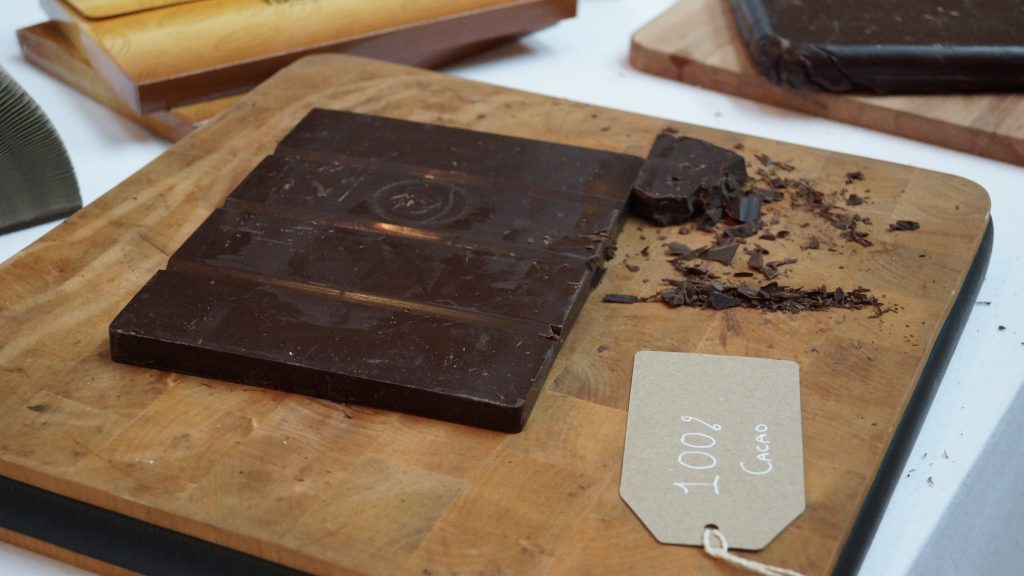
There are a handful of Indian bean to bar chocolate makers who are trying really hard to deliver their best experiences and it is certain that we will see high growth in the Indian bean to bar chocolate business over the next 5 years. I expect to have over 300 makers by 2025 in India. Hence my suggestion at this stage would be to hold on for a bit before passing a judgement on Indian cacao to let us settle down a bit as a origin and put in place practises that can help us look beyond the Indian shores and knock on the global opportunity map with more consistency. While there may be a long way to go for Indian cacao, chocolate makers would evolve with consistent and more interesting offerings. We can only expect things to look better going forward. We monitor the progress of Indian cacao and chocolates very closely, and would reiterate that:
“When you have good grapes in hand, you decide to make grape juice with it or fine wine!”.
– L Nitin Chordia, India’s 1st certified chocolate taster
As they say, the future is bright. In our case, with increased availability of fine flavour cacao beans, the future is about dark chocolates in India. To further understand what you can do with good beans and the entire (compound, Industrial and fine flavour) chocolate making process, enrol for our 3 day bean to bar on-boarding program: https://cocoatrait.com/product/3-day-bean-to-bar-chocolate-making-course/
About L Nitin Chordia and Cocoashala
L Nitin Chordia is India’s 1st Certified Chocolate Taster and 1st Indian Judge at the International Chocolate Awards, London and co-founder of Kocoatrait sustainable chocolates. Nitin is a cacao post-harvest professional working with an aim to transform India cacao and doubling farmer income. Nitin is the 1st Non-founder teacher at the Institute and delivers his lectures in London. Cocoashala is an initiative to promote knowledge, education, production and consumption of fine chocolates in India. Cocoashala also aim to invest in research, development and enhancement of fine chocolate techniques, processes and recipes’.